For many people living with depression, antidepressant medication is the first treatment they try. It helps a great many patients, but it doesn’t work for everyone. Studies have found that roughly one-third of people with major depressive disorder do not achieve remission after multiple medication trials, a pattern often called treatment-resistant depression. When that happens, it can feel discouraging, but it does not mean you are out of options. Transcranial magnetic stimulation (TMS) is a noninvasive, FDA-cleared treatment that offers a different path forward for people whose depression has not responded to medication alone.
How antidepressants work
Most antidepressants work by adjusting the balance of neurotransmitters such as serotonin, norepinephrine, and dopamine throughout the body. Because these medications circulate systemically, they can take four to eight weeks to reach full effect and may cause side effects ranging from weight gain and fatigue to sexual dysfunction and emotional blunting. According to the National Institute of Mental Health, finding the right medication or combination of medications is often a process of trial and error that can stretch over many months. For some patients, the side effects become the reason they stop treatment before they ever find relief.
How TMS works differently
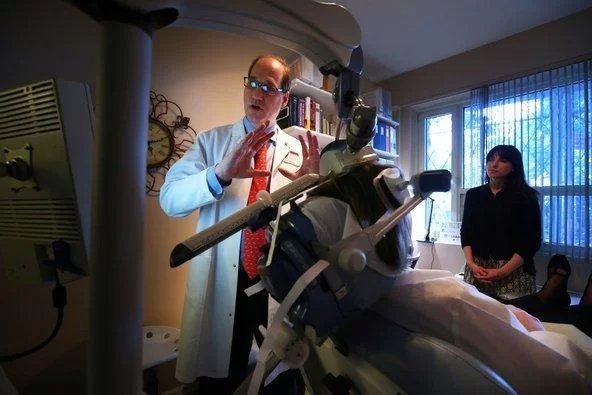
TMS takes a fundamentally different approach. Instead of introducing a chemical into your whole body, it uses focused magnetic pulses to directly stimulate the regions of the brain involved in mood regulation, particularly the dorsolateral prefrontal cortex. Because the treatment is targeted, it does not cause the systemic side effects associated with medication. There is no weight gain, no sexual side effects, and no impact on memory or cognition. The most common side effect is mild scalp discomfort or a transient headache during the first few sessions.
The U.S. Food and Drug Administration first cleared TMS for treatment-resistant depression and has since expanded clearances to additional conditions. You can read more about how the agency evaluates these devices on the FDA medical devices resource.
Can you do both?
One of the most reassuring aspects of TMS is that you do not have to stop taking your medication to begin treatment. Many patients continue their prescriptions under the care of their existing psychiatrist while adding TMS as a complementary therapy. This means there is no washout period and no risk of symptoms worsening because you have gone off your medication. For people who have found partial relief from medication but want to feel better, combining the two approaches can be especially effective.
Who is a good candidate?
TMS is generally considered for adults with major depressive disorder who have tried at least one or two antidepressants without adequate results. Research summarized by the National Institute of Mental Health on brain stimulation therapies shows meaningful response and remission rates in patients who had previously not responded to medication. A consultation is the best way to determine whether you meet the clinical criteria and whether your insurance is likely to provide coverage.
Taking the next step
If you have tried antidepressants without finding the relief you hoped for, TMS may be worth exploring. At Houston West TMS, William K. Drell, MD, provides Brainsway Deep TMS to patients across the Houston area who are looking for an alternative to medication-only treatment. To learn whether TMS is right for you, call (713) 464-4455 or request a consultation online today.